8 days
Duration
Paro, Thimphu, Punakha, Phobjikha
Destination
Nov (during the annual Black-Necked Crane Festival)
Best Season
Theme: Nature • Culture • Wildlife • Bhutan Festival Tour
Nature & Culture in Phobjikha Valley
The Black-Necked Crane Festival Tour offers a rare opportunity to celebrate Bhutan’s harmony between culture and conservation. Held annually at the Gangtey Monastery in the serene Phobjikha Valley, this festival marks the arrival of the endangered Black-Necked Cranes from the Tibetan Plateau. This journey combines cultural discovery, scenic landscapes, and a deep appreciation of Bhutan’s eco-spiritual traditions.
Tour Highlights
- Attend the Black-Necked Crane Festival at Gangtey Monastery
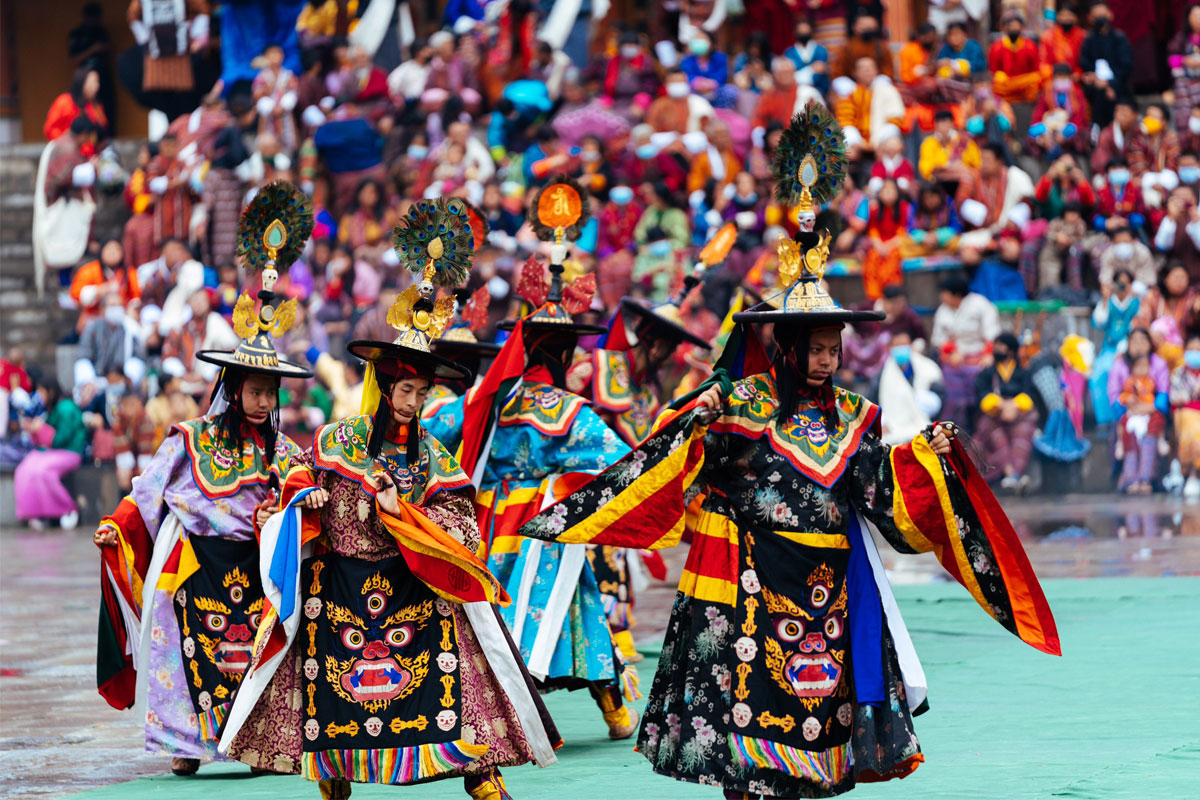
- Witness mask dances, folk performances, and local traditions
- Explore Punakha Dzong, Thimphu landmarks, and Tiger’s Nest Monastery
- Visit the Crane Observation Centre and learn about conservation efforts
- Enjoy scenic drives through Dochula Pass and Phobjikha Valley
Detailed Itinerary
Day 1: Arrival in Paro – Welcome to the Land of Happiness
- Arrive at Paro International Airport, where your guide and driver will greet you.
- Visit Paro Dzong (Rinpung Dzong) and the National Museum (Ta Dzong) for an introduction to Bhutanese culture.
- Evening stroll around Paro town.
- Overnight in Paro.
Highlight: Enjoy Bhutan’s serene atmosphere and traditional architecture.
Day 2: Paro – Thimphu (1.5 hours drive)
- Drive to Bhutan’s capital, Thimphu, passing terraced fields and river valleys.
- Visit Buddha Dordenma Statue, Memorial Chorten, and Tashichho Dzong.
- Explore Centenary Farmers Market and local artisan shops.
- Overnight in Thimphu.
Highlight: Discover Bhutan’s cultural landmarks and local life in the capital city.
Day 3: Thimphu – Punakha via Dochula Pass (3 hours)
- Scenic drive to Punakha via Dochula Pass (3,100m) with panoramic Himalayan views.
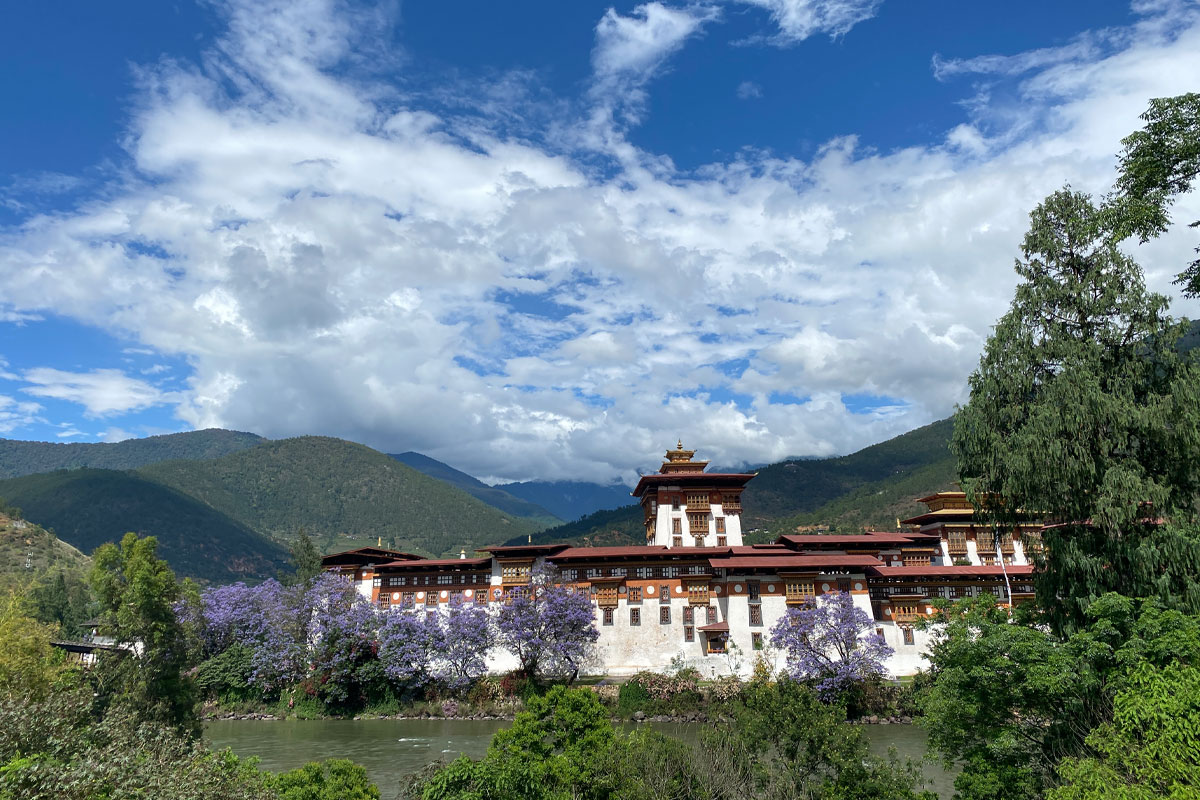
- Visit the majestic Punakha Dzong, one of Bhutan’s most stunning fortresses.
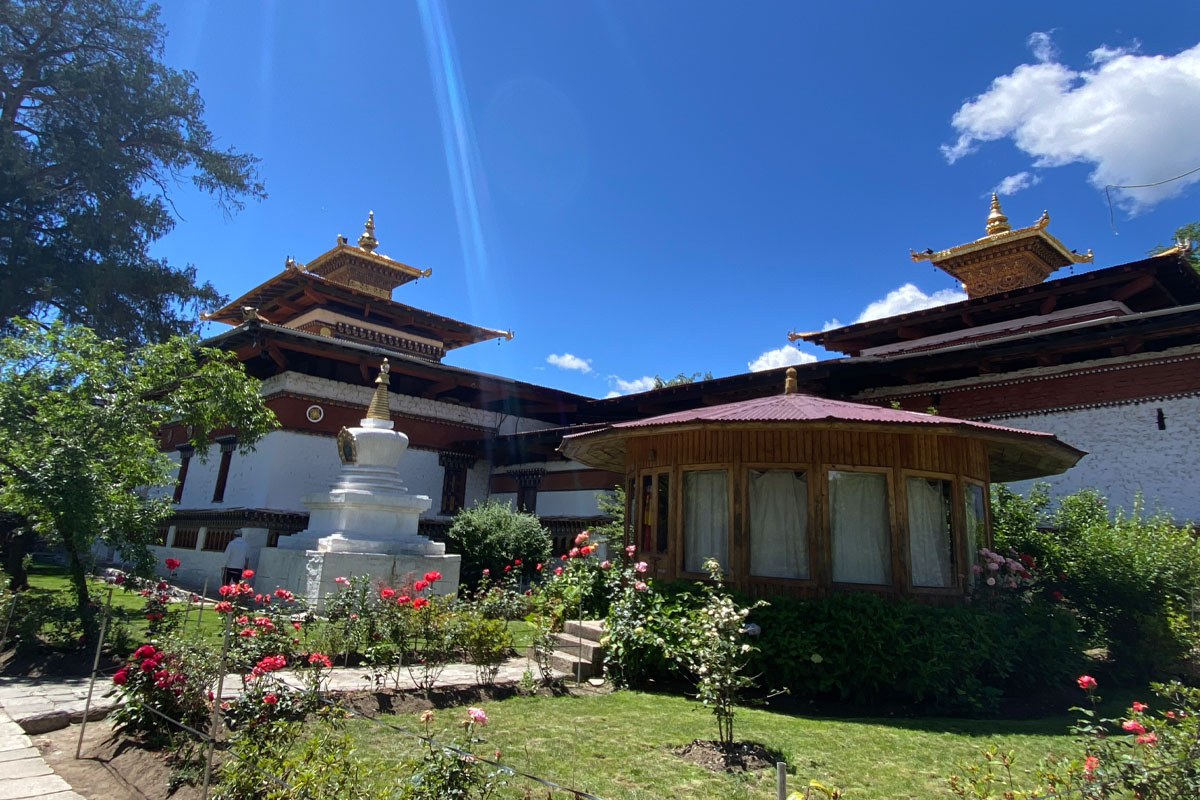
- Short walk to Chimi Lhakhang, the fertility temple dedicated to Lama Drukpa Kuenley.
- Overnight in Punakha.
Highlight: Experience Bhutan’s natural beauty and ancient monastic architecture.
Day 4: Punakha – Phobjikha Valley (3–4 hours drive)
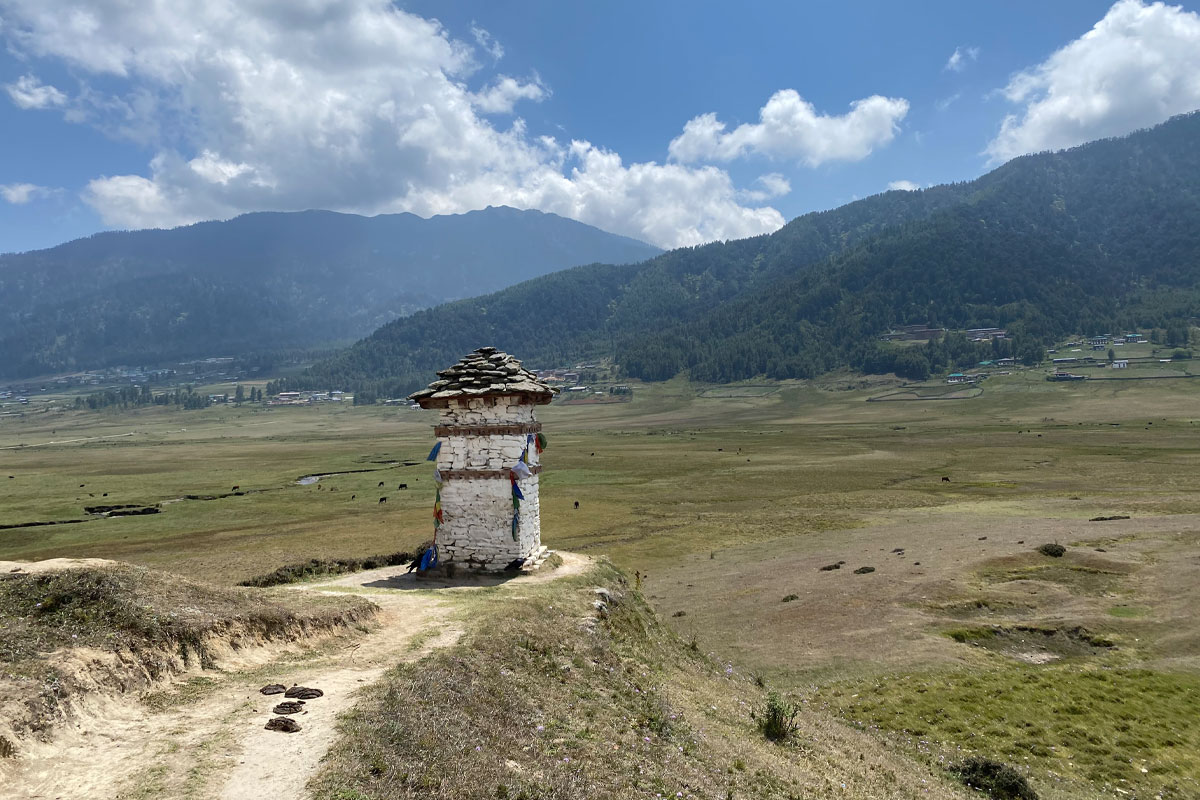
- Drive through forests and mountain roads to Phobjikha Valley, the winter home of the Black-Necked Cranes.
- Visit Gangtey Monastery, the spiritual center of the valley.
- Explore the Gangtey Nature Trail, offering beautiful views of the valley and wetlands.
- Overnight in Phobjikha.
Highlight: Arrive in Bhutan’s most scenic glacial valley, a paradise for bird lovers.
Day 5: Black-Necked Crane Festival – Celebrate Nature and Culture
- Attend the Black-Necked Crane Festival at the courtyard of Gangtey Monastery.
- Watch cultural performances, folk songs, and mask dances dedicated to crane conservation.
- Interact with local villagers and enjoy the festive spirit.
- Visit the Crane Observation Centre to learn about ongoing conservation efforts.
- Overnight in Phobjikha.
Highlight: Celebrate the unique harmony between Bhutanese culture and wildlife conservation.
Day 6: Phobjikha – Paro (5–6 hours drive)
- Drive back to Paro, passing through scenic landscapes, mountain passes, and rural villages.
- Stop at Dochula Pass for tea and Himalayan views.
- Free evening to relax or explore Paro town.
- Overnight in Paro.
Highlight: Enjoy the beautiful journey across Bhutan’s central valleys.
Day 7: Hike to Tiger’s Nest Monastery (Taktsang)
- Early morning hike to Taktsang Monastery, Bhutan’s most iconic spiritual site perched on a cliff 900m above Paro Valley.
- Learn about the legend of Guru Rinpoche who meditated here in the 8th century.
- Lunch at the viewpoint café overlooking the monastery.
- Optional hot stone bath experience in the evening.
- Overnight in Paro.
Highlight: A spiritual and scenic finale to your Bhutan journey.
Day 8: Departure from Paro
- Transfer to Paro International Airport for your flight home.
- Bid farewell to your guide and Bhutan’s peaceful spirit.
Highlight: Depart with lasting memories of Bhutan’s pristine nature and heartfelt culture.